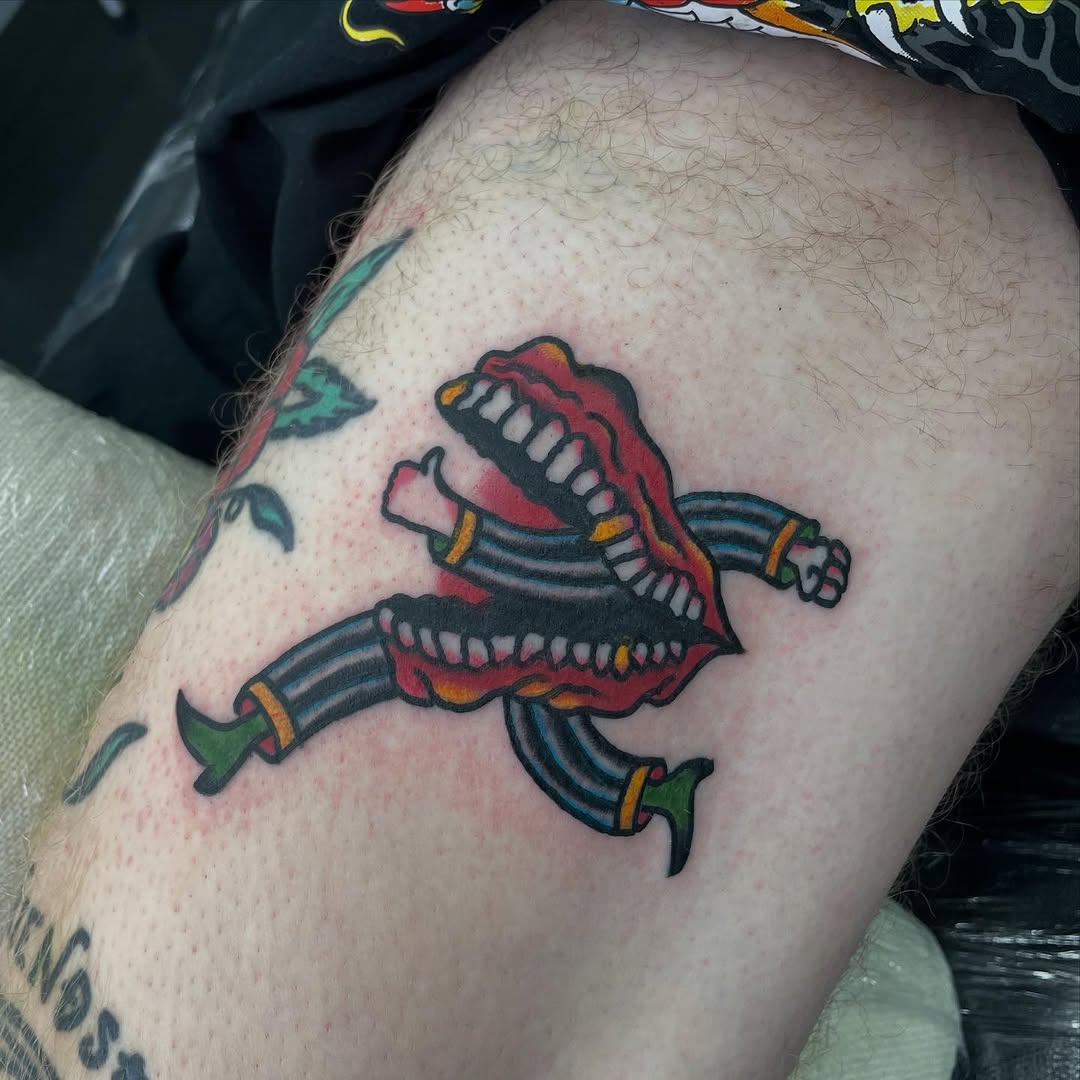
Geometric tattooing occupies a unique space in the art form — it draws from mathematics, ancient symbolism, and modern minimalism to create designs of striking visual precision. From simple line patterns to complex mandalas and sacred geometry, geometric work is simultaneously one of the most ancient and most contemporary tattoo traditions.
The Roots of Geometric Tattoo Design
Geometric patterns in body art predate recorded history. Indigenous cultures across the Pacific, Africa, and the Americas developed intricate geometric tattoo traditions centuries before the modern tattoo industry existed. The Maori ta moko, the geometric patterns of the Berber people, and the tribal traditions of Borneo all share a language of lines, angles, and repeating forms that carry deep cultural meaning.
In contemporary tattooing, geometric work has undergone a renaissance since the 2010s. The rise of minimalism as an aesthetic, combined with advances in needle technology that allow extraordinarily fine linework, created the conditions for geometric tattooing to become a global phenomenon.
Types of Geometric Tattoos
- Sacred geometry — shapes and patterns with spiritual significance. The Flower of Life, Metatron's Cube, the Sri Yantra, and the Fibonacci spiral all fall into this category.
- Mandala tattoos — circular designs with radial symmetry, originating in Hindu and Buddhist traditions. Mandalas represent the universe and the self, and translate beautifully into tattoo form.
- Linework geometry — purely abstract compositions of lines, triangles, hexagons, and other forms. Often minimal and graphic, these work well as standalone pieces or as backgrounds for other imagery.
- Geometric animals — animals constructed from or overlaid with geometric forms — a wolf's head composed of triangles, for example, or an eagle outlined in hexagons.
- Dotwork geometry — geometric forms built from stippled dots rather than lines. The boundary between geometric and dotwork tattooing is deliberately blurry.
The Technical Demands of Geometric Work
Geometric tattooing is unforgiving. A crooked line in a portrait is barely noticeable. A crooked line in a geometric piece is immediately obvious — the human eye is extremely sensitive to symmetry errors and deviations from expected angles. Artists who specialise in geometric work typically use stencils, rulers, and measurement tools to ensure precision before the needle touches skin.
Fine linework in geometric tattoos also requires careful placement consideration. Very thin lines in areas that flex and crease heavily — fingers, inner elbows, wrists — will spread and blur faster than the same work on flatter areas. An experienced geometric tattoo artist will advise you on placement to maximise longevity.
Geometric Tattoos in Romford
Sleep Well Tattoo Parlour has artists skilled in geometric linework, mandala tattoos, and combined geometric-realism styles. Whether you're looking for a simple geometric accent or a full sleeve built on geometric principles, bring your reference images and we'll consult on the design. Walk-ins welcome for smaller geometric pieces.
How long does a mandala tattoo take?
A palm-sized mandala typically takes 2–4 hours. A large mandala covering a full back or thigh can take 10–20 hours across multiple sessions. The intricate linework and symmetry requirements mean geometric work is not fast — precision takes time.
Do geometric tattoos need colour or is black fine?
Most geometric tattoos work best in black and grey — the clean contrast of black lines against skin is a fundamental part of the aesthetic. Some geometric work uses limited colour accents to highlight specific elements, but heavy colour fills are unusual in the style.
Will my geometric tattoo stay sharp as I age?
Fine linework softens with age — this is the main caveat with highly detailed geometric work. The thicker the lines, the more durable the piece. Very fine linework in high-movement areas will blur faster. Discuss your artist's approach to line weight before committing to an extremely delicate design.
Book Your Geometric Tattoo in Romford
Sleep Well Tattoo Parlour is open 7 days at 12 Carlton Rd, Romford, Essex RM2 5AA. Walk-ins welcome — or book a design consultation via WhatsApp.
Book via WhatsApp klarna Pay with Klarna