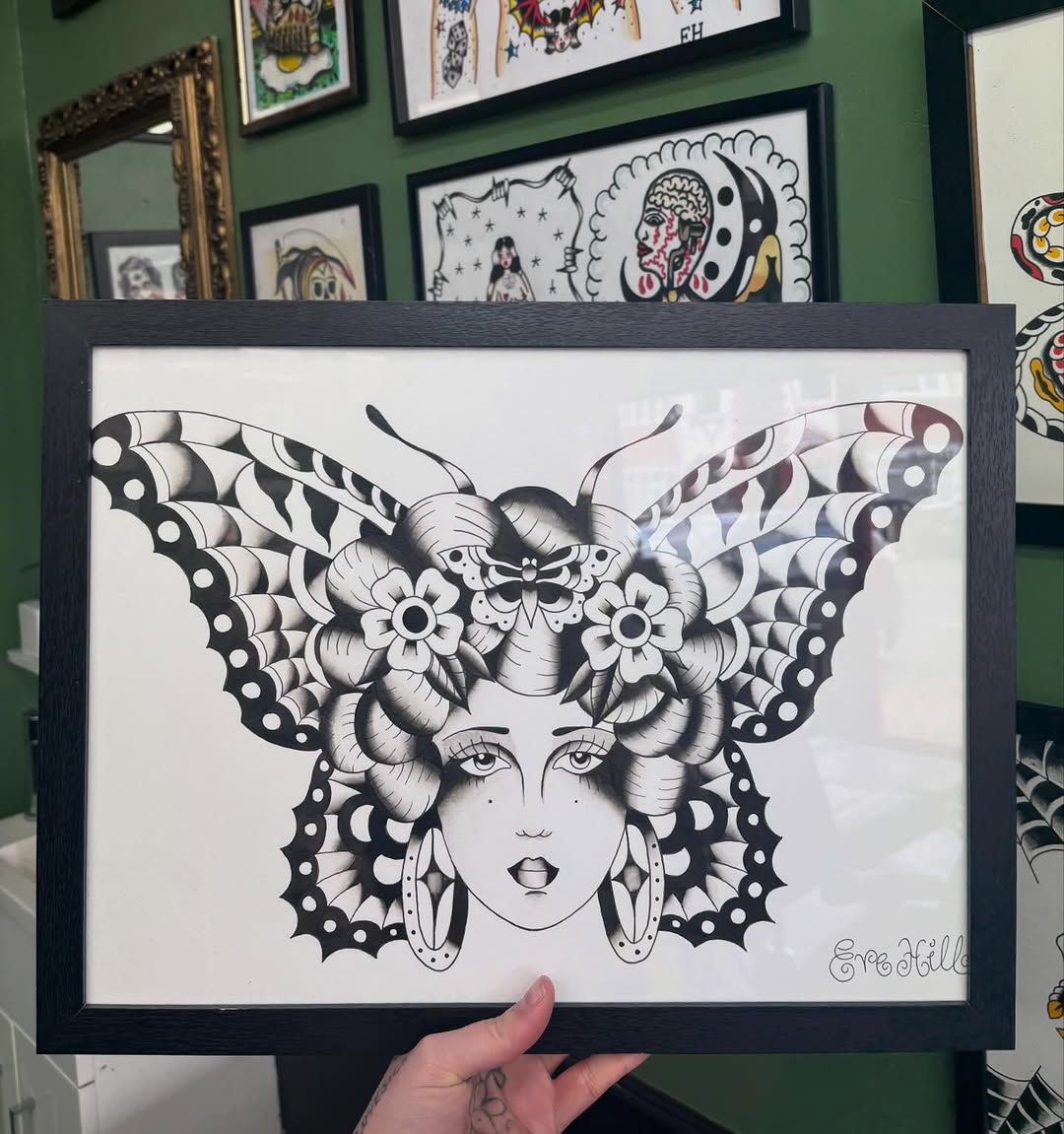
Watercolour tattoos are the most visually arresting style in contemporary tattooing. At their best, they look like paintings applied directly to skin — loose washes of vivid colour with splattered edges, bleeding hues, and a deliberately painterly aesthetic that mimics actual watercolour on paper. They are also the most frequently misunderstood style when it comes to longevity — and that's a conversation worth having before you book.
What Makes a Watercolour Tattoo
True watercolour tattooing mimics the characteristics of watercolour paint: diffuse edges where colour bleeds outward rather than stopping at a hard outline, layered washes that build colour depth, colour splashes and drips used as design elements, and a deliberately loose, spontaneous quality even when the work is technically precise.
The style emerged as a distinct genre in the early 2010s, driven by artists who brought fine art painting sensibilities into tattooing. Artists like Ondrash, Aleksandra Katsan, and Sasha Unisex demonstrated that the human body could be a canvas for work that looked indistinguishable from paper illustration.
Subjects That Shine in Watercolour
- Botanicals — flowers, leaves, and plant forms. The style's loose edges mimic natural petal forms beautifully.
- Animals — birds, foxes, deer, and marine creatures work particularly well when combined with abstract colour splashes.
- Abstract art — pure colour composition without representational subject matter. Some of the most striking watercolour tattoos are simply beautiful abstract colour fields.
- Fine art tributes — work inspired by specific paintings or artists. A Monet water lily, a Van Gogh starry sky translated into skin.
- Portraits with watercolour surround — a black and grey portrait element surrounded by watercolour splashes — one of the most popular hybrid approaches.
The Honest Truth About Watercolour Longevity
Here's what you need to know: watercolour tattoos fade faster than most other styles, and this is not a myth or a scare story — it is a predictable consequence of how the style works. The pale, diffuse colour edges that make watercolour tattoos beautiful are also the elements most vulnerable to UV radiation and the natural migration of ink in skin.
Without a bold black outline to anchor the design, lighter colour areas spread and fade. Within 5–10 years, a watercolour piece can look significantly softer than it did when fresh. This doesn't mean they become bad tattoos — many aged watercolour pieces retain a different kind of beauty — but if you're expecting the fresh-tattooed look to last indefinitely, you'll need to manage those expectations.
The hybrid approach — a solid black or line art foundation with watercolour elements — ages significantly better. The dark outlines hold the structure as colour softens around them.
SPF Is Non-Negotiable
If you choose watercolour, committing to SPF 50 on any exposed watercolour tattoo is not optional — it's the single most effective thing you can do to slow the fading process. Every sunny day without sun protection accelerates colour loss. Make it a habit.
Watercolour Tattoos in Romford
Sleep Well Tattoo Parlour can execute watercolour work for clients who understand and accept the longevity considerations. We'll always have an honest conversation about what's achievable and what will age best for your specific design. Some concepts work brilliantly as pure watercolour; others we'd recommend approaching as a hybrid for better long-term results.
Can watercolour tattoos be touched up as they fade?
Yes — and this is the best approach to maintaining watercolour work long-term. Touch-ups refresh faded colour and can be done every few years as needed. The cost of occasional touch-ups is worth factoring into your decision if longevity of appearance matters to you.
Do watercolour tattoos hurt more because there's no outline?
No. Pain is determined by placement, session length, and individual tolerance — not by the presence or absence of outlines. Some watercolour pieces actually involve less intensive passes than solid-colour work. Placement is the biggest variable.
What skin tones work best for watercolour tattoos?
Lighter skin tones show watercolour work most vividly — pale colours especially. On darker skin tones, the contrast of the colour against the skin is reduced, which affects how the palette reads. An experienced artist can adapt the colour approach for different skin tones — discuss this at consultation.
Book Your Watercolour Tattoo in Romford
Sleep Well Tattoo Parlour is open 7 days at 12 Carlton Rd, Romford, Essex RM2 5AA. Consultation recommended for watercolour commissions — book via WhatsApp.
Book via WhatsApp klarna Pay with Klarna